In the quiet corners of our kitchens and the bustling aisles of supermarkets, a silent revolution is taking root—one that redefines our relationship with food beyond mere sustenance. The conversation around food sustainability has shifted from abstract environmental concerns to tangible actions centered on waste reduction and resource circularity. This isn’t just about composting or recycling; it’s about reimagining an entire system.
Food waste represents one of the most paradoxical challenges of our time. While millions face hunger, nearly one-third of all food produced globally is lost or wasted. This isn’t merely a social or ethical issue; it’s an environmental crisis. Wasted food decomposes in landfills, emitting methane—a greenhouse gas far more potent than carbon dioxide. The resources invested in that food—water, energy, labor, and land—are squandered, exacerbating climate change and resource depletion.
The journey toward sustainability begins with awareness. For decades, consumers and producers alike operated under a linear model: produce, consume, discard. This mindset normalized excess and invisibilized waste. Today, however, pioneers in the food industry are challenging this status quo by embracing circular economy principles. Circularity transforms waste into resources, designing out disposal and designing in regeneration.
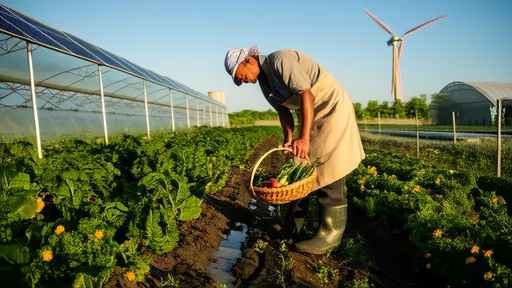
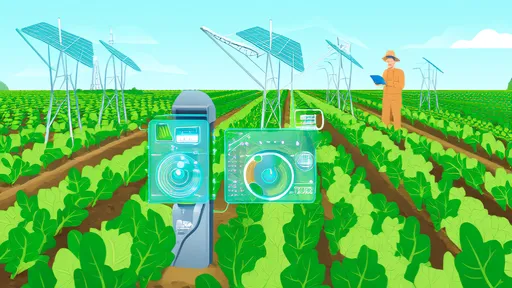
At the production level, farmers and growers are adopting innovative practices to minimize loss. Imperfect produce, once rejected by retailers for not meeting aesthetic standards, now finds its way to markets and food banks through companies dedicated to fighting waste. Technologies like AI-driven monitoring systems help predict crop yields more accurately, reducing overproduction. Meanwhile, advances in packaging extend shelf life, giving consumers more time to use products before they spoil.
Distribution channels are also evolving. Food rescue organizations collaborate with restaurants, grocery stores, and farms to redirect surplus food to those in need. Mobile applications connect consumers with discounted meals from eateries that would otherwise discard unsold items. These initiatives not only address food insecurity but also reduce the carbon footprint associated with waste disposal.
In our homes, small changes yield significant impact. Meal planning, proper storage techniques, and creative use of leftovers can dramatically cut household waste. Composting organic scraps closes the nutrient loop, returning valuable matter to the soil instead of landfills. Cultural shifts, such as valuing "nose-to-tail" or "root-to-stem" cooking, encourage using every part of ingredients, minimizing discard.
Businesses play a pivotal role in scaling these efforts. Supermarkets are redesigning supply chains to prioritize local and seasonal produce, reducing transportation emissions and spoilage. Food manufacturers are repurposing byproducts—turning brewer’s spent grain into flour or fruit pulp into snacks—demonstrating that one industry’s waste can be another’s raw material.
Policy and education are equally critical. Governments worldwide are setting ambitious targets to halve food waste by 2030, implementing measures such as standardized date labeling to reduce consumer confusion. Schools and communities are integrating food literacy into curricula, teaching future generations to value resources and make informed choices.
Yet challenges persist. Infrastructure gaps limit composting and recycling access in many regions. Economic incentives often favor convenience over sustainability, and behavioral change requires persistent effort. However, the growing momentum around circular food systems offers hope. From urban farms fertilized by compost to closed-loop restaurants that generate zero waste, models of success are emerging.
Ultimately, food sustainability is about stewardship—recognizing that every apple saved from landfill, every gallon of water conserved, and every meal shared represents a step toward a more resilient future. It demands collaboration across sectors and consciousness at every level. As we rethink waste not as an endpoint but as a resource, we nourish both people and the planet, forging a path where nothing is taken for granted and everything has value.

By /Aug 25, 2025

By /Aug 25, 2025

By /Aug 25, 2025

By /Aug 25, 2025

By /Aug 25, 2025

By /Aug 25, 2025

By /Aug 25, 2025

By /Aug 25, 2025

By /Aug 25, 2025

By /Aug 25, 2025

By /Aug 25, 2025

By /Aug 25, 2025

By /Aug 25, 2025

By /Aug 25, 2025

By /Aug 25, 2025

By /Aug 25, 2025
By /Aug 25, 2025

By /Aug 25, 2025
By /Aug 25, 2025
By /Aug 25, 2025
